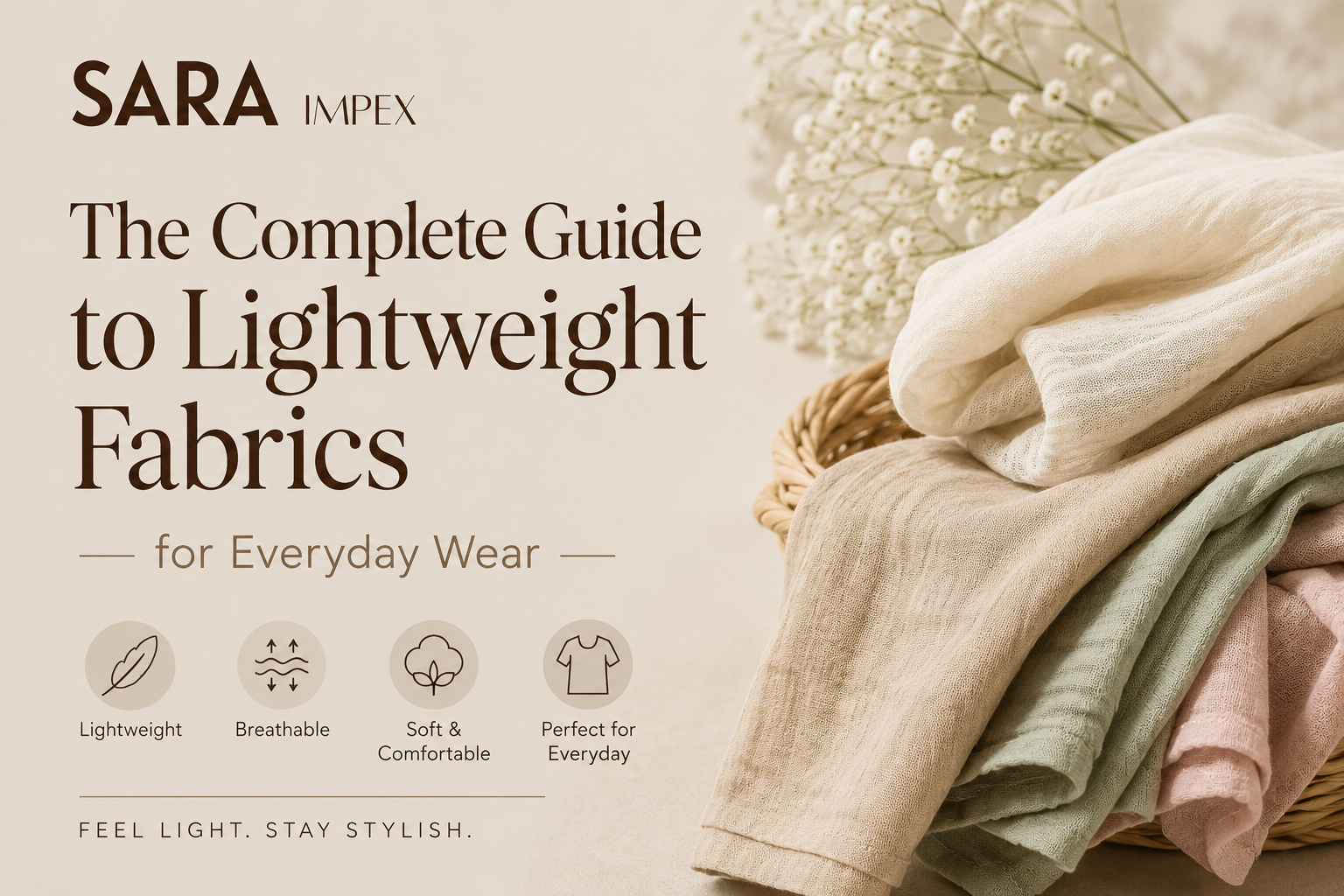
Choosing what to wear every morning comes down to balance. You want an outfit that looks put together, but more importantly, you want something that keeps you comfortable throughout a busy day. In a warm climate, the weight and weave of your clothes make all the difference between feeling fresh or feeling trapped in sticky, heavy layers. Finding the best fabrics for summer is the true secret to effortless styling when temperatures rise.
True everyday comfort starts at the foundational stage: the textile itself. Lightweight fabrics made from natural fibres allow your skin to breathe, regulate temperature, and absorb moisture naturally. If you are a fashion designer sourcing materials for a retail line, a boutique owner stocking up for the season, or an entrepreneur trying to find a reliable wholesale fabric hub to grow your business, this guide breaks down the best lightweight options for easy, everyday wear.
Why Fabric Weight and Airflow Matter for Daily Clothing
When you wear an outfit for ten to twelve hours straight, synthetic fibres like polyester often trap heat and sweat close to the body, leading to skin irritation. On the other hand, lightweight natural materials have an open structure that allows heat to escape and air to circulate freely.
Good daily clothing needs to check a few specific boxes:
Softness against the skin: To prevent chafing during long commutes or hours at a desk.
Moisture absorption: To handle humidity and perspiration effortlessly.
Durability: The material must hold its shape, colour, and texture even after repeated weekly washing.
Sourcing these high-performance materials directly from a trusted wholesale fabric supplier ensures that you get the perfect balance of premium weave quality and commercial cost-efficiency.
Best Lightweight Materials for Relaxed and Casual Outfits
Different daily activities require different fabric behaviours. Some days call for fluid, soft movement, while others demand a structured, polished look. Fortunately, the best fabrics for summer cover a diverse range of visual textures and strengths.
Cotton Voile for Flowing and Airy Styles
If your goal is ultimate breathability, cotton voile is one of the finest options available. Voile is a plain-weave material that is exceptionally light, semi-sheer, and soft to the touch.
The Technical Detail: Premium commercial varieties like 80s Cotton Voile carry a very low weight, offering a delicate texture that drapes beautifully.
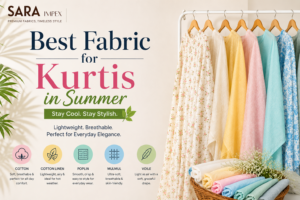
Best Uses: Because it is so airy, it is highly favoured by boutique designers for making loose summer dresses, breezy blouses, scarves, and layered tunics. Its semi-sheer nature provides an elegant, floating silhouette without adding any bulk to the wearer.
Double Gauze Cotton for Ultimate Soft Texture
Double gauze is a unique, modern favourite for casual wear. It is constructed by taking two ultra-thin layers of fine gauze and basting or weaving them together at regular intervals.
The Technical Detail: This dual-layer structure gives the material a naturally crinkled, pillowy texture that feels incredibly plush against the skin without needing an iron.
Best Uses: Double gauze allows excellent airflow while maintaining full opacity, meaning you do not need an extra lining fabric underneath. Heavy-hitting neutral variants like Black Double Gauze are perfect for making modern lounge sets, casual weekend dresses, toddler clothing, and effortless summer shirts.
Cotton Poplin for Sharp Everyday Basics
If you need a lightweight fabric that still carries a neat, clean structure, poplin is the timeless industry standard. It features a tightly closed plain weave with fine horizontal ribs, giving it a smooth and flat surface finish.
The Technical Detail: Depending on the thickness and structure you require, you can select options like Paper Cotton Poplin 40s for lightweight ease or Paper Cotton Poplin 60s for an even finer, denser feel.
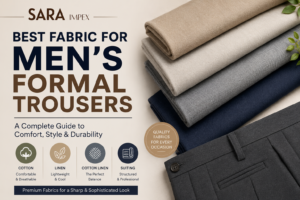
Best Uses: Poplin is highly reliable for clothing that needs to transition from a casual setting to a professional one. It is widely used to stitch crisp daily kurtis, corporate uniform shirting, and structured summer trousers because it holds its shape while remaining fully breathable.
Premium Blends and Patterns for Elevated Daywear
You do not have to sacrifice style to stay comfortable. You can easily elevate regular clothing by experimenting with natural fibre blends and classic woven patterns.
Cotton Linen Blends for a Classy Textured Finish
Pure linen is celebrated for its cooling properties, but it can be stiff and prone to heavy wrinkling. Blending it with cotton solves this problem perfectly, giving you the structural beauty of linen with the soft, manageable nature of cotton.
Best Uses: A high-quality blend provides a sophisticated, slightly textured surface that instantly looks premium. Earthy, versatile shades like Beige Linen Cotton Fabric or Black Linen Cotton Fabric are excellent choices for men’s casual summer shirts, coords, and elegant ethnic drapes like everyday sarees or long kurtas.
Woven Patterns and Luxury Finishes for Visual Variety
Daily wear doesn’t have to mean plain, solid colours. Incorporating lightweight fabrics with built-in patterns adds personality to simple silhouettes without altering the weight of the garment.
Pinstripe Cotton: Woven lines like Blue Pinstripe Cotton fabric give a tailored, professional look that works wonders for office wear shirts and light summer blazers.
Polka Dot Prints: Classic motifs like Classic Black Polka Dot Cotton Print provide a playful, timeless look for casual dresses and weekend apparel.
Giza Satin: For a touch of understated evening luxury, a fabric like Cotton Suiting Giza Satin offers an incredibly smooth, fluid hand-feel with a gorgeous, subtle sheen that works perfectly for high-end formal shirts and festive daily suits.
Practical Tips for Sourcing Quality Everyday Fabrics
When purchasing fabrics for commercial garment production or personal tailoring, keep these simple guidelines in mind:
Check the Thread Count: Higher numbers (like 60s or 80s) indicate finer yarns, resulting in a more pliable and lightweight feel against the skin.
Look for Custom Processing Potential: If you run an independent apparel brand, choosing plain White & RFD Fabric (Ready for Dyeing) ensures you have a clean, high-absorbency base to apply custom screen prints, block prints, or local dyeing techniques.
Prioritise Bulk Consistency: Ensure your cottons and linens are sourced from a verified supplier who avoids mixing low-grade synthetic fillers, keeping the end-garment genuinely skin-friendly and long-lasting over multiple washes.
Choosing Your Next Everyday Fabric Base
Finding the right material for daily garments ultimately comes down to matching the fabric properties to the style of the clothing. Whether you choose the airy lightness of voile, the crisp neatness of poplin, or the premium drape of a cotton-linen blend, selecting natural fibres ensures long-lasting comfort.
For fashion brands, local designers, and independent boutique owners, finding a trusted supply partner is vital to keeping your quality high. As a premium textile hub operating directly out of Delhi’s prominent wholesale markets, Sara Fabrics (Sara Impex) simplifies your material sourcing. By offering everything from fine-count cottons and stretch lycra to specialised ready-for-dyeing bases, the platform allows you to browse and order wholesale fabric rolls online with absolute transparency. Explore a wide variety of premium rolls and plan your next custom design line by browsing the wholesale collections at Sara Fabrics today.
Frequently Asked Questions
What are the best fabrics for summer daily wear?
Pure cotton, lightweight linen blends, cotton voile, and double gauze are widely considered the finest options for hot weather. These materials feature an open weave structure that allows body heat to escape while absorbing moisture naturally to keep the skin cool.
Why should boutiques source wholesale fabric rolls instead of retail pieces?
Buying fabric rolls wholesale ensures complete consistency in colour dye lots, yarn count, and fabric weight across an entire apparel production line. It also significantly lowers the cost per meter, allowing independent fashion brands to maintain healthy profit margins.
Is cotton poplin a good choice for professional office clothing?
Yes, cotton poplin is an industry favourite for corporate shirts and formal kurtis. Because it features a tightly woven plain weave with minor horizontal ribs, it stays smooth, holds its structure beautifully throughout a long workday, and remains highly breathable.
What is the advantage of using RFD fabrics for a clothing brand?
Ready for Dyeing or RFD fabrics are pre-treated and washed materials that contain absolutely no starch or chemical impurities. This high-absorbency base allows designers to achieve vibrant, precise results during custom block printing, screen printing, or tie-dye processing.
What is the difference between paper cotton, poplin, and regular cotton?
Paper cotton poplin goes through a specialised finishing process that gives it a slightly crisper, paper-like rustle and a smoother hand-feel while keeping the fabric incredibly thin and lightweight. Regular cotton typically has a softer, more traditional plain weave drape right from the start.
Does double gauze fabric require regular ironing after washing?
No, one of the biggest benefits of double gauze fabric is its natural, pillowy crinkle texture. This intentionally crinkled look gives it a relaxed aesthetic, meaning it looks best unironed, saving immense time for daily maintenance.