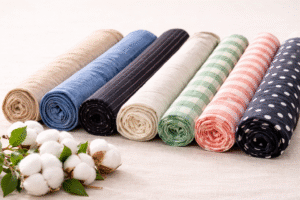
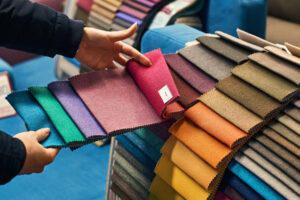
Choosing the right fabric for your project can significantly impact the final outcome, whether you’re sewing a garment, crafting home decor, or embarking on a DIY project. Here’s a comprehensive guide to help you make informed decisions, ensuring your creations are both beautiful and functional.
Understanding Fabric Types
1. Know Your Project
Before selecting a fabric, clearly define your project’s purpose. Are you making clothing, upholstery, or crafts? Different projects require different fabric characteristics. For instance:
- Lightweight Cotton: Ideal for summer garments and casual wear.
- Denim or Canvas: Suitable for durable items like bags or outdoor furniture.
- Silk: Perfect for elegant dresses or linings.
2. Consider Fabric Weight
Fabric weight is crucial in determining its suitability:
- Lightweight Fabrics: Such as cotton and linen are breathable and great for summer apparel.
- Medium to Heavy Fabrics: Like denim or upholstery fabrics provide durability and structure, making them ideal for outerwear or home decor
12.
Evaluating Fabric Properties
3. Check Fiber Content
Understanding the fiber content helps predict how the fabric will behave:
- Cotton: Comfortable and breathable, but may wrinkle easily.
- Polyester: Durable and resistant to shrinking, often blended with cotton for added strength.
- Natural vs. Synthetic: Natural fibers (like wool and silk) offer breathability, while synthetics (like nylon) provide durability
23.
4. Assess Drape and Stretch
The drape of a fabric affects how it hangs and moves:
- Fluid Drapes: Fabrics like silk fall softly, ideal for flowing garments.
- Stiffer Drapes: Heavier fabrics maintain structure, suitable for tailored pieces.
Additionally, consider the stretch—knit fabrics are more forgiving than woven ones3.
Practical Tips for Selection
5. Match Your Skill Level
Choose fabrics that align with your sewing skills:
- Beginners might find cotton easier to work with compared to slippery silks or stretchy knits.
- As you gain confidence, experiment with more complex materials
2.
6. Color and Pattern Considerations
Select colors that complement your design vision:
- Use a color wheel to find harmonious combinations.
- Be mindful of patterns; large prints may require careful alignment during sewing
14.
7. Budget Wisely
Investing in quality fabrics pays off in the long run:
- Avoid very cheap materials that may wear out quickly or cause issues during sewing.
- Look for sales on high-quality fabrics; upholstery fabrics can often be a good deal and are durable
12.
Conclusion
Choosing the right fabric involves understanding your project needs, evaluating fabric properties, and aligning your choices with your sewing skills. By following these guidelines, you’ll ensure that your projects not only look great but also stand the test of time. Happy sewing!